Beringia Centre Science Talks are back! Join us as we explore topics in archaeology, natural science, and palaeontology with experts from around the world.
For this talk, we’ll be joined by Dr. Emil Karpinski to discuss his work on mastodons.
This #BCST will be livestreamed on Facebook and Zoom on Thursday November 6, 2025 at 11 am Yukon Time.
Pre-register for the Zoom webinar here.
Register for the Facebook livestream here.
About the Talk
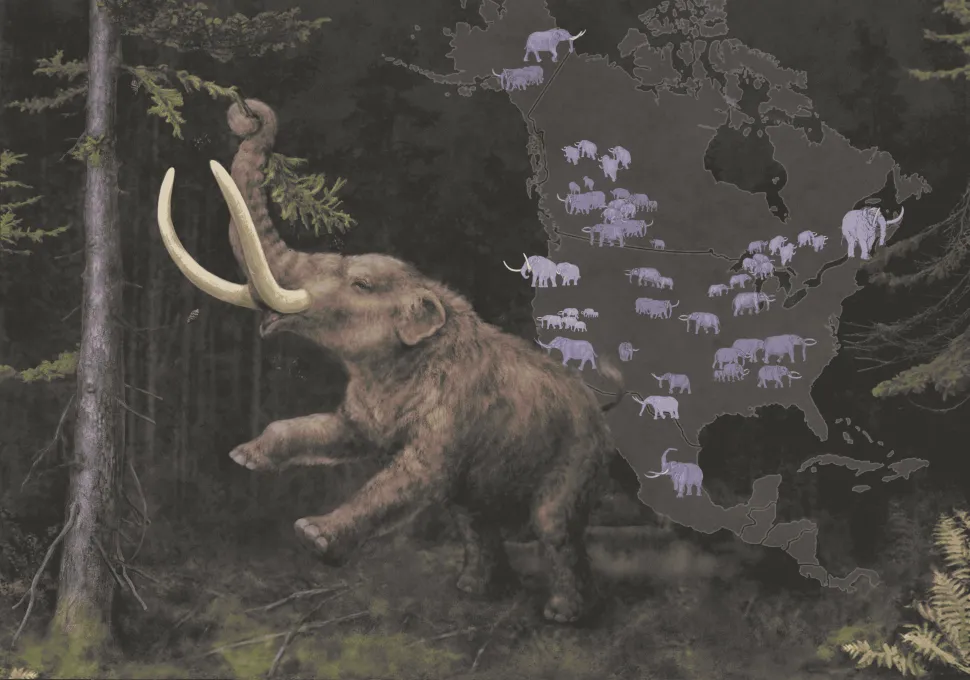
North America was home to both American and Pacific mastodons during the Pleistocene. As warm-adapted browsers these animals exhibited vastly different responses to interglacial/glacial cycles than mammoths and other cold-adapted taxa. In this talk we’ll discuss the first Pacific mastodon DNA recovered, how these species are related and where they ranged, and finally some more smaller mastodon migrations into the east coast.
About the Speaker
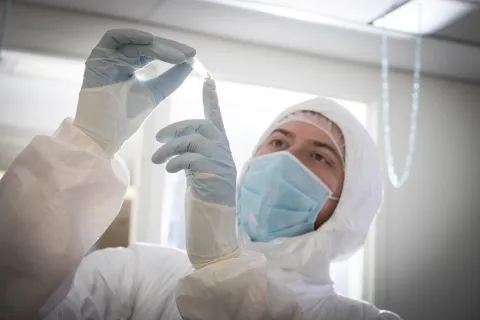
Dr. Emil Karpinski earned an B. Sc (Hons) in Molecular Biology and Genetics, and his Ph. D. in ancient DNA at McMaster University (Hamilton, ON). In addition to working on mammoths and ground sloths, Emil was the first to show genetic evidence for the repeated expansion of American mastodons into Beringia. Currently he is a Postdoctoral Research Fellow at Harvard Medical School working on genome engineering and synthetic biology applications for ancient DNA.
Read his latest paper: Repeated climate-driven dispersal and speciation in peripheral populations of Pleistocene mastodons
Follow Emil on ResearchGate
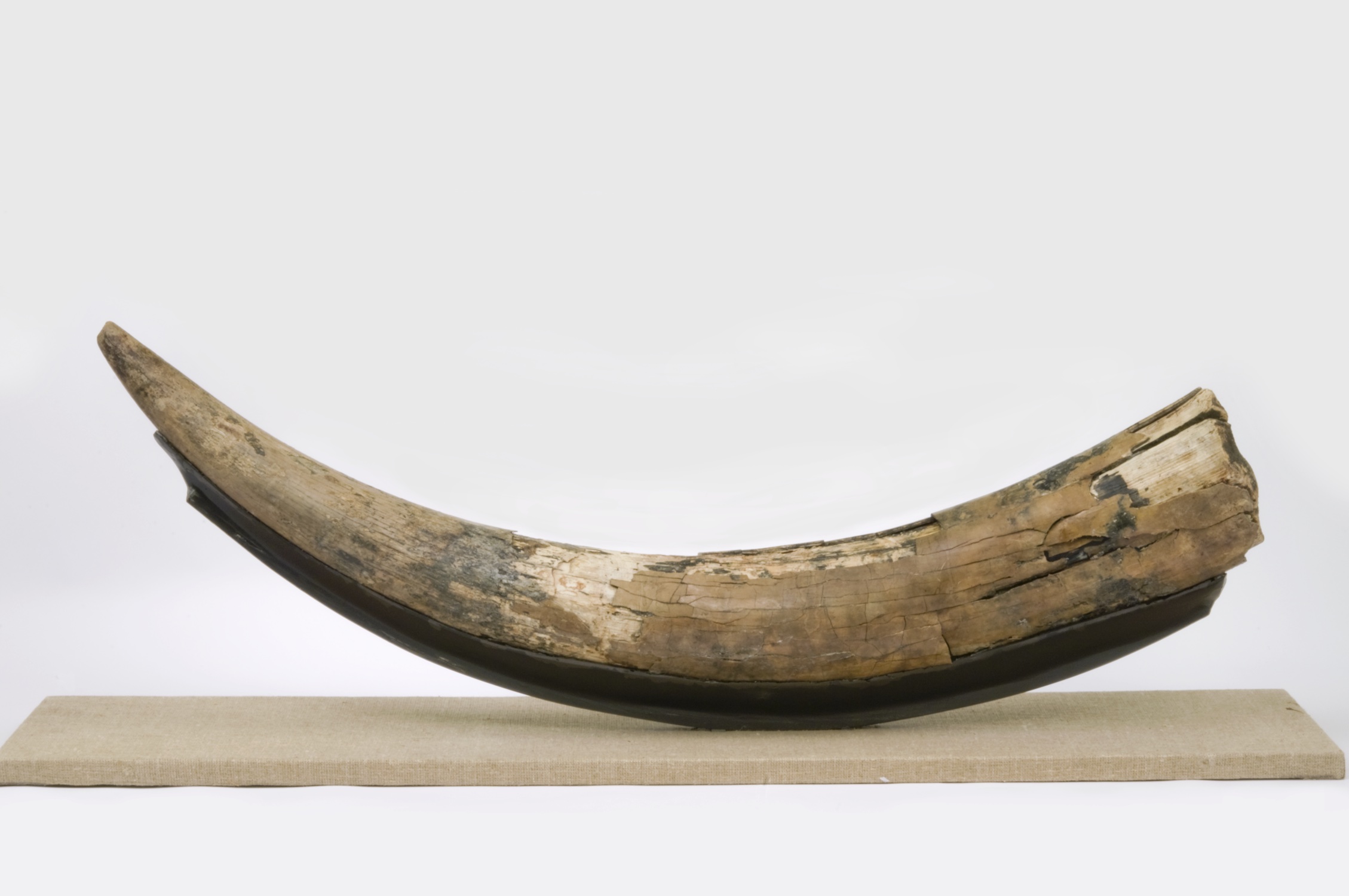
Windsor Sinkhole Mastodon tusk, dated to approximately 178,000 years ago, was found in a gypsum sinkhole in Nova Scotia. Image credit: Nova Scotia Museum
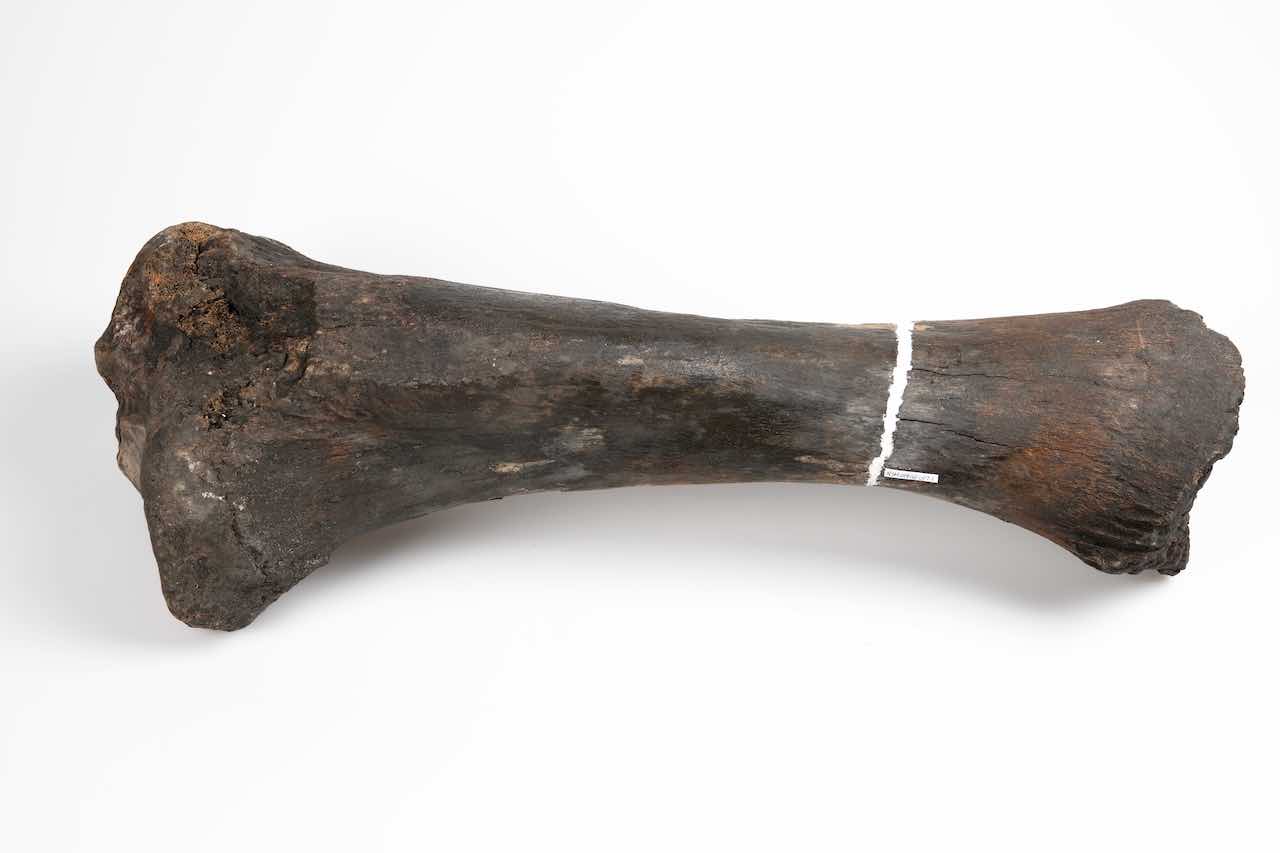
Little Narrows Mastodon tibia, estimated to be 358,000 years old. Is likely the oldest mastodon with available genetic data.I mage credit: Nova Scotia Museum